Social Investment
News
Case Studies


Since 2017, we have made commitments totalling £2.65 million.
In 2023, we committed £1 million in the second round of the Recovery Loan Fund, with the first draw down of £0.15 million paid in 2024. We also extended the term of our loan with RefuAid. Our loan of £250,000, initially made in 2021, supports RefuAid’s equal access loan fund (which provides refugees with character-based, interest-free finance to support requalification and employment in the UK). To date, RefuAid has lent in excess of £2 million, with a repayment rate of 99%.
The Recovery Loan Fund (RLF) is for charities and social enterprises operating in England, Wales or Scotland with a mission to improve people’s lives or the local environment. The Fund has already approved loans of over £12 million to more than 50 organisations. Loans between £150,000 and £1.5 million are available to organisations that have been operating for at least two years and have an annual turnover of at least £400,000 (this is lowered to £200,000 for organisations based in Wales or Scotland, or with leadership from Black or minoritised communities; these organisations can also apply for loans starting at £50,000).
Loans can be used for any purpose including refinancing on existing debt. This flexibility in eligibility and purpose – and partnerships that include The Ubele Initiative and Create Equity – has enabled the RLF to reach organisations with leadership from Black or minoritised communities more successfully than previous SIB loan funds. Just 6% of approved applications to an earlier iteration of the Fund were ‘BAME-led’, in contrast to 31% of approved investees in the current fund. In addition, 58% of all the investments are to organisations in the top 30% of most-deprived areas (based on the Index of Multiple Deprivation).


Stay up to date with announcements, case studies, and other news.

Part two of a two-part blog was written by Natalie Creary of Liberating Knowledge, and Dee Brecker and Derek Bardowell of Ten Years’ Time.
Part one of a two-part blog was written by Natalie Creary of Liberating Knowledge, and Dee Brecker and Derek Bardowell of Ten Years’ Time.
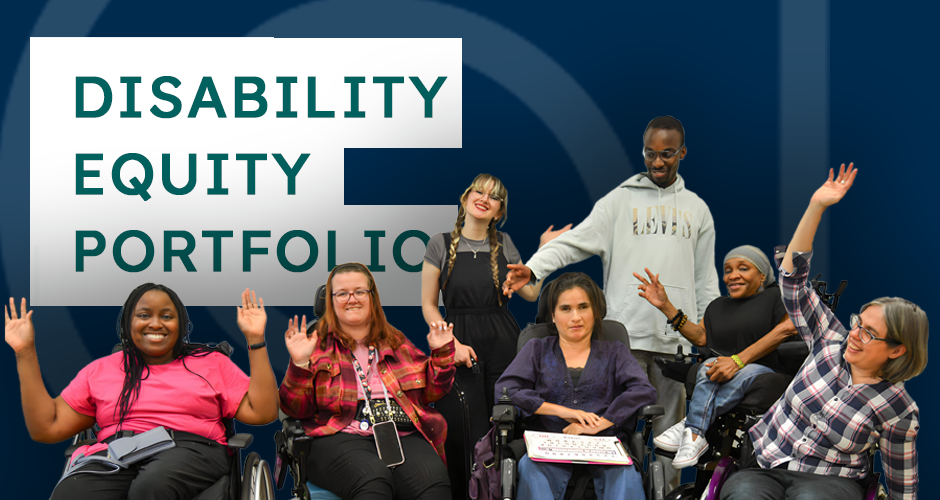
Announcing our newest partners in our Disability Equity portfolio.